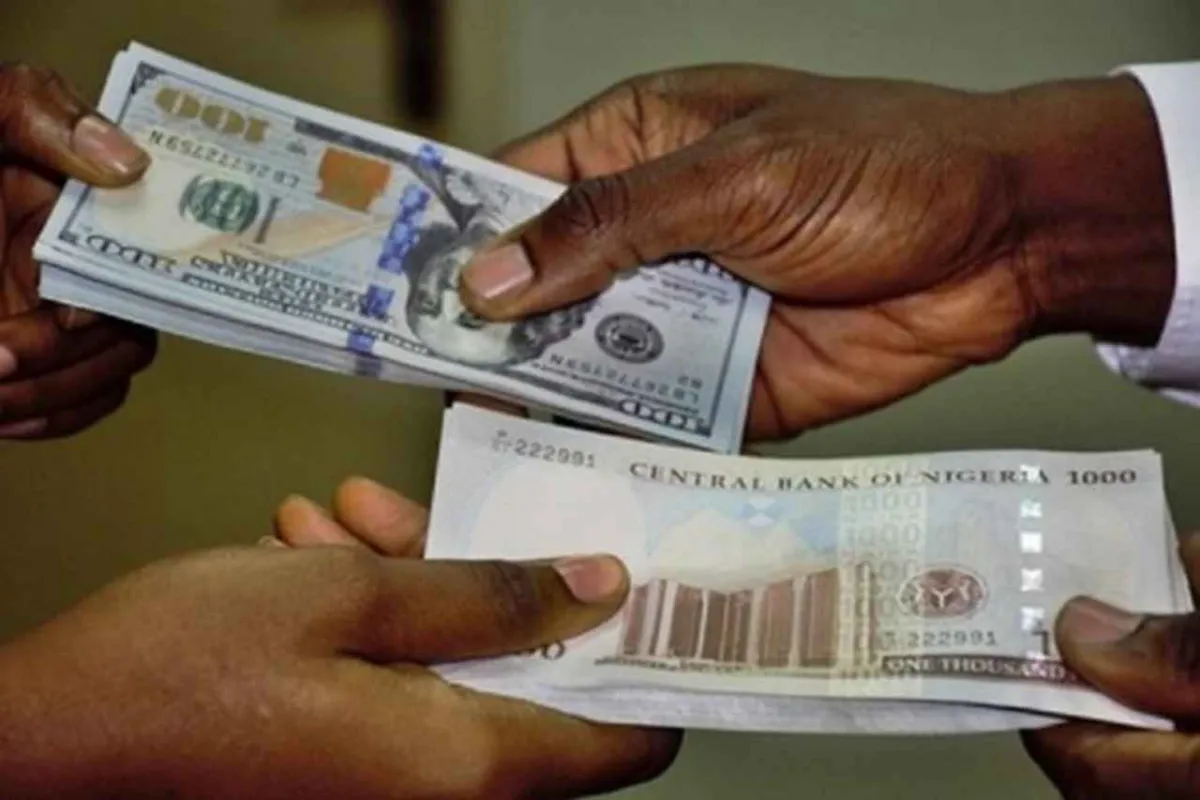
Dollar to Naira Exchange Rate Today
Below is a comprehensive and detailed overview of the most recent US Dollar (USD) to Nigerian Naira (NGN) exchange rate for today — including official and parallel market rates, context on why these rates matter, and the broader economic backdrop affecting the Naira.
1. Official/NFEM (Formal Market) Rate
The official exchange rate — typically the one quoted by the Central Bank of Nigeria (CBN) and used in formal banking channels — reflects transactions conducted on the Nigerian Foreign Exchange Market (NFEM), including trades on platforms like FMDQ.
-
₦1,390 – ₦1,400 per $1 USD is the approximate range reported for the official rate today.
Other real-time currency converters also show around ₦1,390 per USD as the current exchange value.
2. Parallel Market (Black Market) Rate
The parallel market, commonly referred to in Nigeria as the Aboki market, operates outside formal banking channels. Rates here are influenced by supply and demand from individuals, small businesses, and foreign currency traders.
-
Buying Rate: Around ₦1,460 – ₦1,470 per $1 USD
-
Selling Rate: Around ₦1,470 – ₦1,485 per $1 USD
These figures reflect currency exchange quotes from Bureau De Change (BDC) operators and currency dealers in major hubs such as Lagos and Abuja.
3. Why There Are Different Rates
Nigeria’s forex market has multiple exchange rate windows because of how foreign currency flows and regulations work:
-
Official/NFEM Rate: Driven by actual trades between banks, corporate investors, and authorised dealers under CBN oversight.
-
Parallel Market Rate: Driven by retail demand and supply outside formal systems, often higher because individuals may pay a premium to access USD directly.
The gap between these rates — sometimes called the spread — reflects market liquidity, policy influences, and confidence in the currency.
Understanding the Exchange Rate Movements
1. Currency Strength and Market Forces
The Nigerian Naira’s value against the US Dollar is shaped by global and domestic economic forces:
-
Crude Oil Revenues: Nigeria’s economy is heavily oil-dependent. Strong oil earnings increase foreign reserves and bolster forex supply, helping support the Naira. Conversely, weaker production or prices can tighten supply and put downward pressure on the currency.
-
Demand for Dollars: Imports, foreign education payments, travel, and remittances all contribute to demand for USD. When domestic demand outpaces supply, the naira can weaken in certain segments of the market.
-
Foreign Exchange Policy: The CBN’s management of the FX market — including interventions or restrictions — influences the rates seen in official and parallel windows.
2. Recent Economic Trends Affecting the Naira
While today’s exchange rate reflects current trading activity, it exists in a broader economic context that has shaped the Naira’s performance over recent years:
Inflation and Monetary Policy
Nigeria has experienced extended periods of high inflation, which can reduce currency purchasing power and influence forex market expectations. However, the National Bureau of Statistics (NBS) and CBN actions — including rebasing inflation measurement and adjusting interest rates — have aimed to moderate those pressures. For example, inflation eased in earlier months after rebasing the Consumer Price Index, and the CBN has taken steps to manage interest rates in response to inflation dynamics.
In late 2025, the Central Bank of Nigeria made its first interest rate cut in five years, lowering the benchmark lending rate. This indicates policy action aimed at balancing inflation control with economic support.
Market Reforms and FX Policy
In recent years, Nigeria shifted toward a more market-driven exchange rate regime rather than a heavily managed or pegged system. This influence accelerated after 2023, when policy shifted toward a unified and market-reflective FX rate, allowing supply and demand to shape the naira’s value more transparently. The move was intended to boost investor confidence and reduce distortions, but it also exposed the currency to broader economic pressures.
What These Rates Mean for You
1. For Individuals
-
If you are converting USD to Naira for personal travel, tuition, or remittances, the parallel market rate is typically what individuals encounter when exchanging cash informally.
-
Retail customers transacting through banks or official channels will more likely see the official NFEM rate, which tends to be lower than the parallel rate.
2. For Businesses
-
Commercial transactions, import payments, and formal forex settlements are largely conducted using the official exchange rate.
-
However, businesses that source dollars through informal channels may face premiums reflected in the parallel market rate.
3. For Pricing and Purchasing Power
-
The USD/NGN rate affects the cost of imported goods, travel expenses, school fees paid abroad, and even inflation of certain domestic prices. A weaker naira means higher local currency costs for imports, while a stronger naira can ease those costs.
How Frequently Rates Change
Foreign exchange rates — especially in Nigeria — can fluctuate daily and throughout the day. The figures above represent today’s snapshot, but actual values may shift based on market liquidity, global dollar strength, and local economic news. Traders, banks, and forex platforms often update these rates in real time, so regular updates are recommended if you are planning significant currency transactions.
Summary: USD/NGN Exchange Rates Today (February 3, 2026)
| Market Window | Exchange Rate (Per $1 USD) |
|---|---|
| Official/NFEM (Formal) | ~₦1,390 – ₦1,400 |
| Parallel/Black Market (Selling) | ~₦1,470 – ₦1,485 |
| Parallel/Black Market (Buying) | ~₦1,460 – ₦1,470 |
These values reflect the most recent available data and typical trading quotes from financial news and currency tracking sources.